
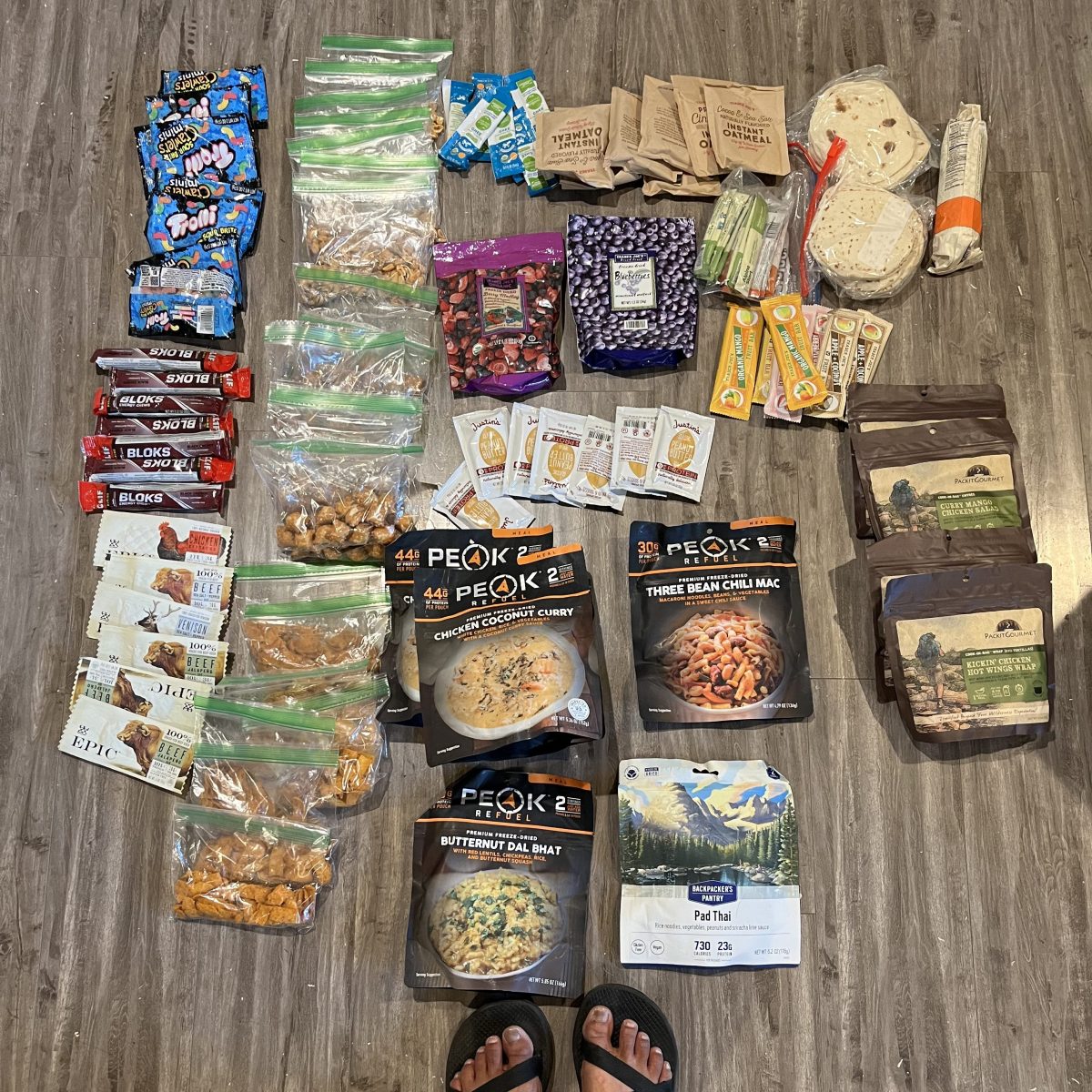
Within the early summer time of 2022, I sat in my basement, surrounded by my laptop computer, 5 packing packing containers and an absolute mountain of meals. In just a few weeks, I’d begin my monthlong journey alongside the Washington part of the Pacific Crest Path. I used to be packing every part I’d eat throughout that point so I might ship it to resupply areas or hand packing containers off to family and friends assembly me alongside the best way.
I’d lived in Washington for six years, developed a penchant for solo backpacking and was desirous to see the wilderness of my state on a steady footpath. By late June, I used to be positive of my physique’s capacity to hike double-digit miles day after day. However my confidence in fueling myself wavered. I’d by no means finished something like this earlier than—particularly, subsisted on packaged, shelf-stable or dehydrated meals for a month.
I’m an inveterate researcher by career. Forward of my thru-hike, I spent hours studying blogs and watching YouTube movies to know correct fueling for lengthy trails with out being weighed down with meals. Whereas some individuals swore by sure snacks like path combine and protein bars (each of which I abhor), others gave me permission to convey sustenance I’d be excited to eat. Some harped on the 100-1 ratio: For 1 ounce of food, you want at least 100 calories. Others emphasised the significance of protein: “Your leg muscle tissue are going to wish each little bit of restoration they’ll get.” However the piece of data I noticed repeatedly, particularly for ladies athletes: Don’t skimp on fats.
In my basement, I stared on the fastidiously partitioned baggage of gummy worms, however corn chips and peanut-butter-filled pretzels. There was an enormous pile of single-serve peanut butter packets subsequent to packing containers and packing containers of coconut oil and ghee.
What I deliberate to eat on the path was a far cry from how I ate at house. I didn’t know what a month of consuming processed meals or the varieties of snacks usually deemed “junk meals” would do to my physique. But it surely was only a month—and I used to be keen to present it a attempt.
An individual’s relationship with meals is private, and generally difficult.
I’m a first-generation Chinese language American, and my dad and mom impressed on me {that a} meal wasn’t full with out greens, proteins and rice. Certain, that sounded all good and balanced, however their construction of a meal appeared opposite to the messaging I used to be getting elsewhere.
Eating regimen tradition was pervasive within the early aughts, once I was a young person. It was on the TV display screen once I watched music movies earlier than my dad and mom obtained house: Artists and their backup singers usually danced half-naked, displaying off washboard abs. It was on the checkout line on the grocery retailer, the place girls’s magazines highlighted all types of crash weight-loss diets. It was within the film Imply Ladies (admittedly nonetheless an all-time favourite), when—for the uninitiated—new woman Cady Heron tricked her frenemy, Regina George, into consuming fat-rich Kälteen bars, distorting Regina’s worldview a lot that Regina needed to ask: Is butter a carb?
Eating regimen tradition made me fearful of a bigger physique, and I started to suppose that consuming fats, carbs and even an excessive amount of protein would get me there. This form of messaging inevitably obtained to me. At one level, I gave up consuming rice—a call that certainly confounded my dad and mom and certain felt like a cultural slap within the face. It additionally made me—a three-season varsity athlete— scared that the extra protein I ate, the larger and extra muscular I’d turn out to be. Being skinny wasn’t simply fascinating, it signified restraint. And, presumably, being skinny felt “wholesome.”
I majored in biochemistry in school, and within the spring semester of my sophomore yr, I discovered in regards to the biochemical foundation of metabolism. Our our bodies prioritize carbohydrates for gasoline, and as soon as we work by way of that offer, we transfer on to using saved fat. Protein is a final resort: In case your physique is processing protein for vitality, it’s on the expense of sustaining your muscle tone. My professor didn’t make the direct connection between metabolism and food plan for us, however as soon as I discovered the science about my physique’s hidden machinations, I started placing all of it collectively.
Unbeknownst to me, whereas I used to be studying this in school, sports activities researchers and nutritionists had been creating a deeper understanding of not simply how athletes should correctly gasoline, but additionally organic sex differences in metabolism. Analysis like that is particularly related for a way endurance athletes ought to eat correctly—together with long-distance hikers, who depend on the best stability of macronutrients and energy to appropriately gasoline their prolonged adventures.
For a very long time, researchers and nutritionists considered girls as “small males,” explains Nick Tiller, an train scientist on the Lundquist Institute in Los Angeles. Consequently, girls have traditionally been excluded or underrepresented in sports activities medication and dietary analysis. “There are some essential physiological variations that must be understood,” he says. “It’s actually solely been the final 5 to 10 years that we’ve began to drag our heads out of the sand and notice we have to begin doing extra focused analysis on girls. The truth that we’re 1739270812 extra cognizant of intercourse variations is an efficient factor, as a result of then you’ll be able to design bespoke diet and coaching applications to help athletes.”
One peer-reviewed study published in 2014 offered some early clues. Danish researchers had been initially attempting to know why males had been extra more likely to be identified with kind 2 diabetes and had been a lot extra delicate to insulin—a hormone that helps maintain blood sugar ranges below management—and hypothesized that hormones may play a role. When researchers checked out beforehand revealed information, they discovered that girls had been allowed extra “metabolic flexibility” because of estrogen: In contrast with males, they’ll course of extra carbohydrates after meals and extra fats throughout train.
Researchers began uncovering a physiological distinction between sexes as effectively: Ladies have a higher proportion of kind 1 skeletal muscle tissue, that are higher fitted to endurance. (Sort 2 skeletal muscle tissue, however, are accountable for quick, highly effective bursts of vitality).
If girls are—as the youngsters say—constructed completely different, then they might have completely different dietary wants to remain correctly fueled for endurance actions.
“It boils right down to a organic distinction,” says Brenda Braaten, a dietary biochemist and thru-hiker. “Females are steadier. They’re meant to do it for the lengthy haul.” And fat, not carbs, would assist females go the gap, particularly in actions akin to thru-hiking, as a result of the bodily depth is decrease than operating a 5K (which might require a better reliance on quick gasoline from carbs.)
Proteins are additionally important for athletes’ muscle restore, particularly when the game requires repetitive movement for miles and days on finish, explains Amanda Fitt, a nutritionist who serves athletes. On common, athletes are inspired to acquire one gram of protein per physique weight (in kilos), which helps preserve and rebuild muscle tissue. “[We] at all times believed that we might take in and metabolize about 40 grams of protein at any given sitting. Now we’re seeing that threshold as quite a bit greater, which reinforces these new suggestions of this greater protein consumption being actually, actually helpful.” Nonetheless, the optimum numbers for feminine athlete protein consumption are primarily based off what sports activities diet researchers have decided for males, and the way girls might particularly make the most of proteins is but to be decided, says Fitt.
Train scientists and nutritionists hope this new analysis requires an elemental strategy to fueling. To some, this new info might really feel complicated, as a result of a lot of how we—particularly girls—are taught to gasoline ourselves is influenced by food plan tradition. “All the pieces we suppose we perceive about diet and well being and wellness is dictated to us by the [health and wellness] trade,” says Tiller. “Folks conceptualize fat and carbohydrates and proteins primarily based upon individuals speaking in regards to the [low-carb, high-protein] Atkins food plan, which was widespread within the early 2000s. Then, it’s the [whole-foods-focused] Banting, then it’s excessive carb, it’s low carb.”
“While you get right down to the science, it’s carbohydrates, fat and protein,” says Braaten. “That’s not as glitzy as paleo or keto however the stability of what’s being consumed is as much as us and our exercise stage.” One method might not match everybody, however being conscious of the broader ideas, she explains, might present the muse for experimentation.
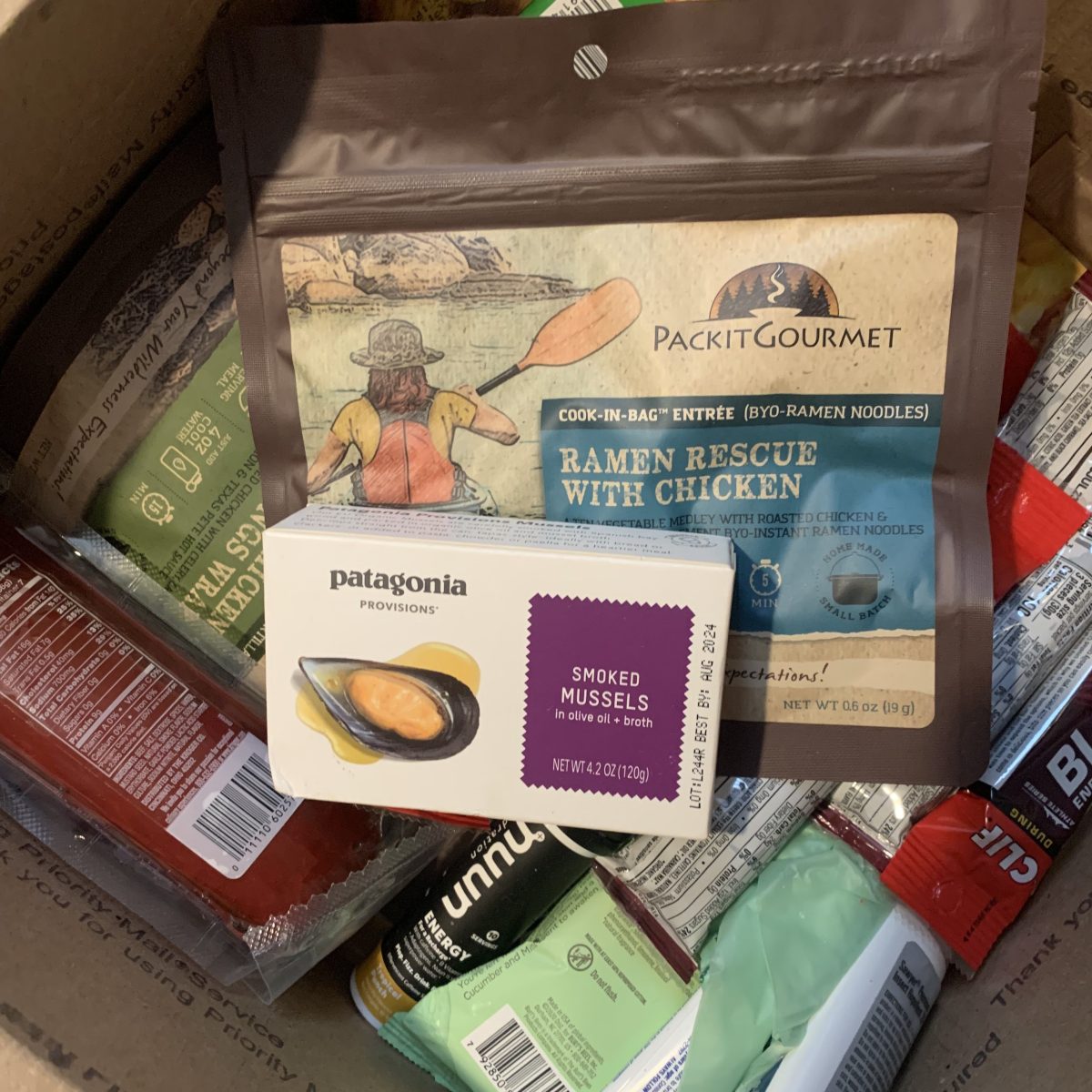
On the Pacific Crest Path, I settled right into a routine after beginning my northbound journey by way of Washington in early July. Heat bowls of oatmeal laden with peanut butter for protein and coconut oil for fats saved me firm on chilly mornings. Bitter gummy worms, fruit leather-based and caffeine gummies saved me energized throughout lengthy climbs out of forested river valleys. When my vitality ranges predictably dropped after lunch and the new summer time solar beat towards my neck, I opted for jerky, corn chips, peanut butter—something with a lift of protein and fats that might maintain me till I made a decision to arrange camp. A packet of ghee went down with each dehydrated dinner.
I didn’t notice it within the second, however these lengthy hours of researching path diet and calculating an optimum calorie depend with out weighing myself down with meals paid off. My physique constantly felt up for the job of mountaineering 16 to 26 miles a day.
Many thru-hikers love lengthy trails due to the liberty they supply. On path, our 9-to-5 job is to simply stroll. On path, we’re regularly exempt from cellphone reception and, consequently, the messages and force-fed views we eat by way of our cellphone screens.
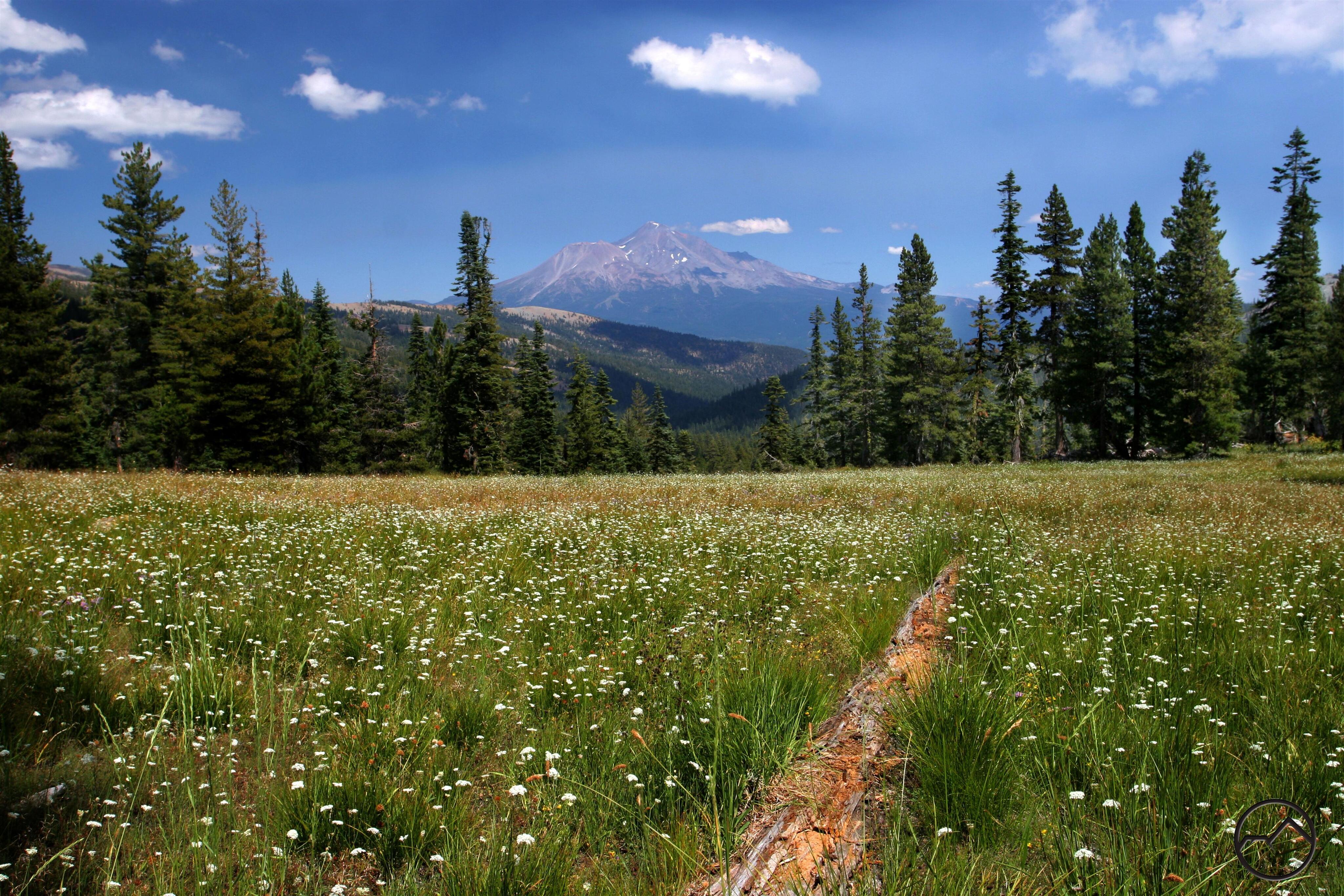
I, too, relished the sensation of freedom within the electrical inexperienced meadows that I handed, on the lengthy traverses boasting expansive views of the Cascades and the solitude of being the one one camped subsequent to a gurgling brook. Solely months after I completed my journey did I recognize how mountaineering the PCT relinquished widespread tradition’s chokehold about meals, food plan and diet.
The meals I ate on the path is given many labels: junk meals, sweet, hiker trash. However why can we demean the very issues that gasoline us? The meals I introduced sustained my physique—what Braaten has known as the “Power Machine”—to not solely survive, however to thrive.
Nutritionists usually warning endurance athletes to not convey the meals that they consumed on path again house, but when I’ve discovered something from my hike, it’s to not get fearful of getting a snack—whether or not it’s gummy worms, chips or a protein bar—to really feel correctly fueled and satiated in the course of the day. Meals is vitality, and there was no higher technique to be taught that than by way of experiencing it firsthand.
Disclaimer: The content material, views and evaluation under are strictly these of the author. This text shouldn’t be used to exchange recommendation from a licensed skilled. Seek the advice of a health care provider, nutritionist or dietitian you probably have questions on getting ready meals for mountaineering lengthy trails. You might be accountable for making certain your security for any actions mentioned.
The publish How Hiking Long Trails Changed My Relationship with Food appeared first on Uncommon Path – An REI Co-op Publication.