
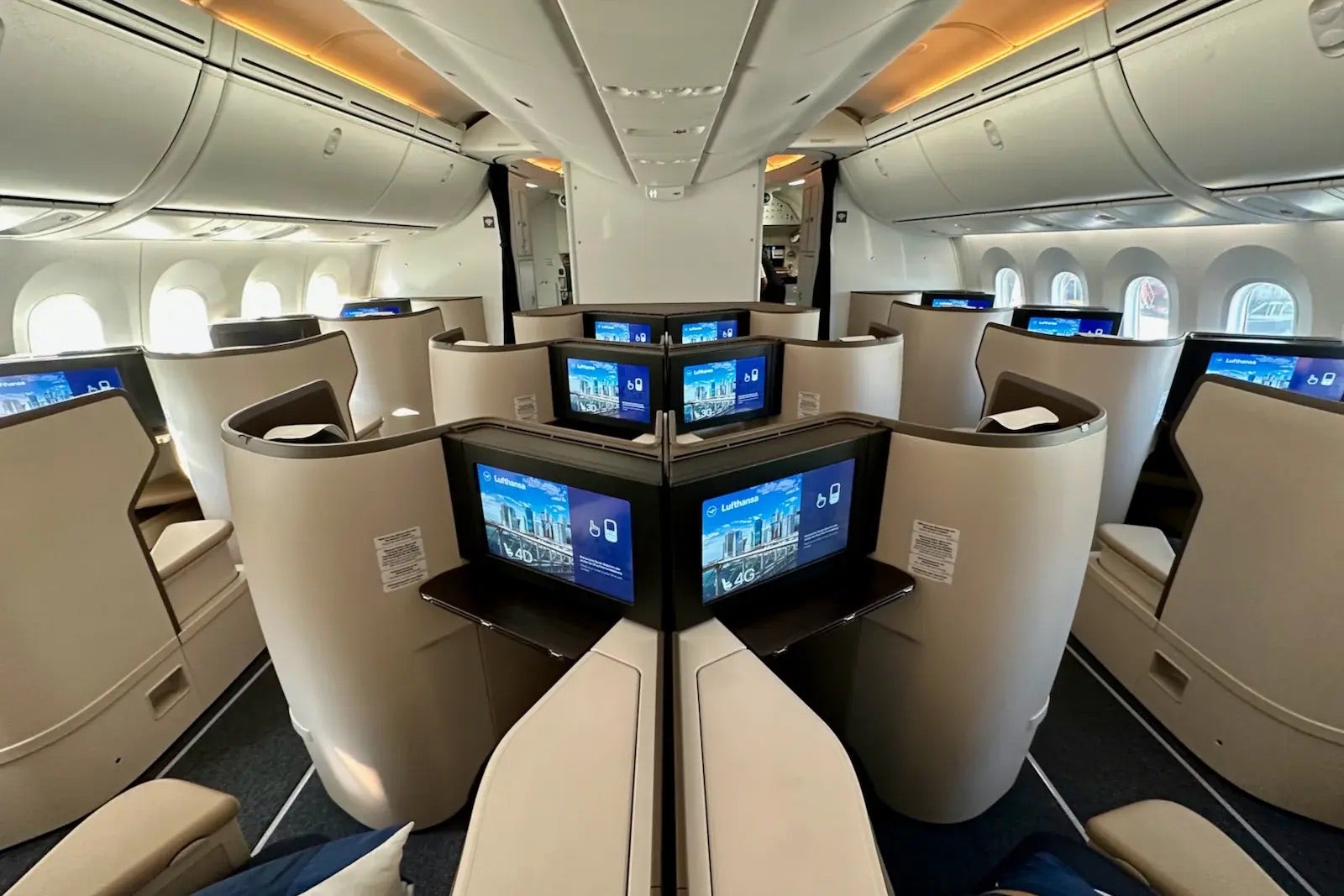
Fifteen years in the past, the concept of reserving a visit totally in your smartphone after which importing all of your recollections to social media felt cutting-edge, if not inconceivable. But right now, you may go via safety with a fast face scan, board the aircraft with a tap of your wrist and pay to your journey totally with factors earned from limited-time sign-up bonuses.
As The Factors Man celebrates its fifteenth anniversary, we’re trying forward into the subsequent 15 years. What may the subsequent decade and a half appear like for journey?
Nicely, we aren’t oracles, however we do spend our days excited about journey. Listed below are a number of the boldest and almost definitely improvements shaping the way forward for how we fly, keep and discover.
Airport of the long run


At the moment’s airport expertise is crammed with lengthy strains, overcrowded airport lounges, lackluster eating choices and outdated infrastructure. Sure, there are some airport gems nowadays throughout the nation — however by and huge, the airport expertise is ripe for disruption.
By 2040, I might anticipate a serious change in how we clear safety and board the aircraft. Whereas Clear and TSA PreCheck already combine facial recognition know-how, these safety initiatives are nonetheless facilitated by brokers staffing desks and machines.
Going ahead, I would not be stunned to see facial recognition and maybe even gait evaluation assist automate the id verification course of. Higher but, your face (or fingerprint) may merely turn into your boarding go — no must even verify in to your flight and current a 2D barcode throughout the journey journey.
One other a part of the airport expertise that is ripe for disruption is checked baggage. Proper now, there’s restricted monitoring out there whenever you hand over your bag to the airline. Even for these who travel with AirTags, you continue to solely get a high-level glimpse of the place your bag is.
As airport baggage techniques turn into much more digitalized, I anticipate a much more seamless bag-checking course of. The tags themselves may have built-in Bluetooth and RFID know-how that enables you (and the airline) to observe your bag’s progress in actual time. And if the bag will get misplaced, reuniting with it is going to actually be a lot sooner and simpler.
Lately, we’re already seeing robots parading round airport lounges to scrub up trash and tidy the dishes. I might anticipate much more robotic assistants cropping up within the coming years, a lot of which can seemingly deal with automated rebooking processes when issues go mistaken.

Every day Publication
Reward your inbox with the TPG Every day e-newsletter
Be a part of over 700,000 readers for breaking information, in-depth guides and unique offers from TPG’s specialists
These robots would possibly even ship snacks to your gate and assist tackle clients in international languages.
Within the air
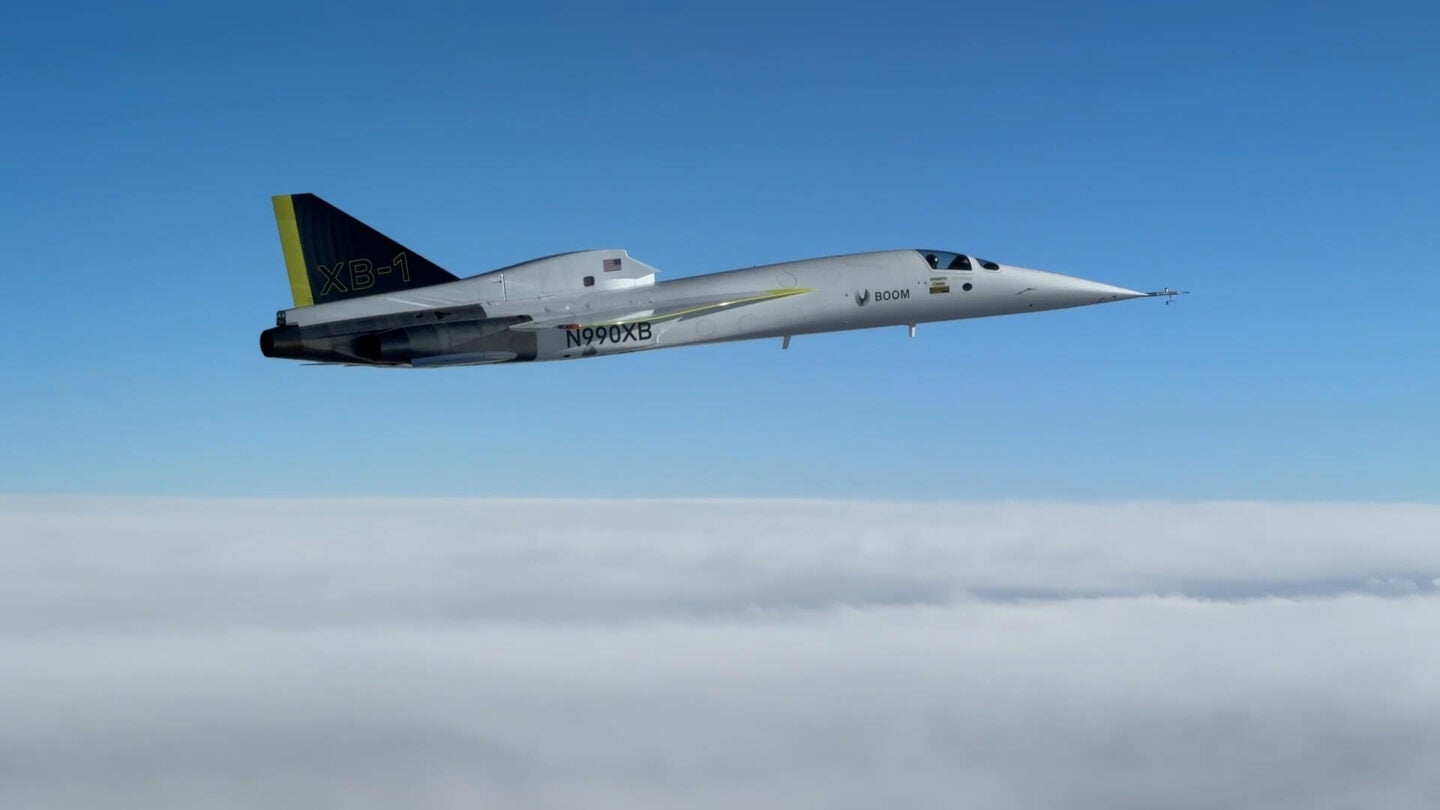
As soon as it is time to board the aircraft, it is trying more and more seemingly that you simply would possibly simply be stepping onto a supersonic jet as soon as once more.
If Boom Supersonic has its method, industrial flights at speeds sooner than sound are simply across the nook. This is not essentially a brand new innovation — in any case, the now-retired Concorde supplied supersonic flights — however it’s one which’ll seemingly be democratized by 2040.
Attending to the airport may be prepared for disruption. As a substitute of taking an Uber, eVTOLs — or electrical vertical takeoff and touchdown plane — may be shuttling flyers to and from main airports and transit hubs.
The eVTOL idea, popularized by corporations like Ancher and Joby Aviation, is designed to cut back congestion and lower commuting instances. Some journey observers are nonetheless skeptical of this idea, however major airlines have made big investments on this house. So, I assume we’ll must see.
Lastly, as increasingly more journey suppliers search for extra environmentally pleasant methods to fly, airways have been investing considerably in sustainable aviation gasoline (SAF). Whereas this know-how is simply simply getting began, we’ll seemingly see huge investments in SAF and different new innovations that we’ve not even heard of but, all designed to decarbonize.
Loyalty will get (even) extra private
We’re already beginning to see loyalty applications transfer from a one-size-fits-all mannequin to extra personalised rewards buildings — and we’re in all probability going to see much more of that by 2040.
As machine studying and AI turn into much more superior, loyalty applications will have the ability to tailor affords to your habits, equivalent to bonus factors for flying to your favourite locations or focused upgrades throughout particular journey intervals.
Moreover, I might anticipate the utility of factors to turn into even higher. Due to tech developments, I would not be stunned if by 2040, you would redeem your SkyMiles (or different factors currencies) at nationwide retailers, on Amazon and extra.
Higher but, we’ll in all probability additionally see many extra developments in redemption instruments. Proper now, Level.me and Seats.aero are popular tech-focused picks for vacationers seeking to maximize their redemptions, however I am certain there might be dozens extra superior instruments coming to market by 2040.
Lodge room reinvented
The lodge room is ripe for disruption. Think about strolling in — totally bypassing the entrance desk — and your room routinely customizing the lighting, local weather management and music to your preferences.
Maybe that have might be unlocked just by swiping your room key, or simply by speaking or exhibiting your face.
We’ll in all probability additionally see the introduction of extra modular, pop-up-style inns within the coming years. This development may be fueled by individuals’s want to discover the most recent “it” vacation spot, the place current inns haven’t got the capability to host all of the demand.
Borderless exploration
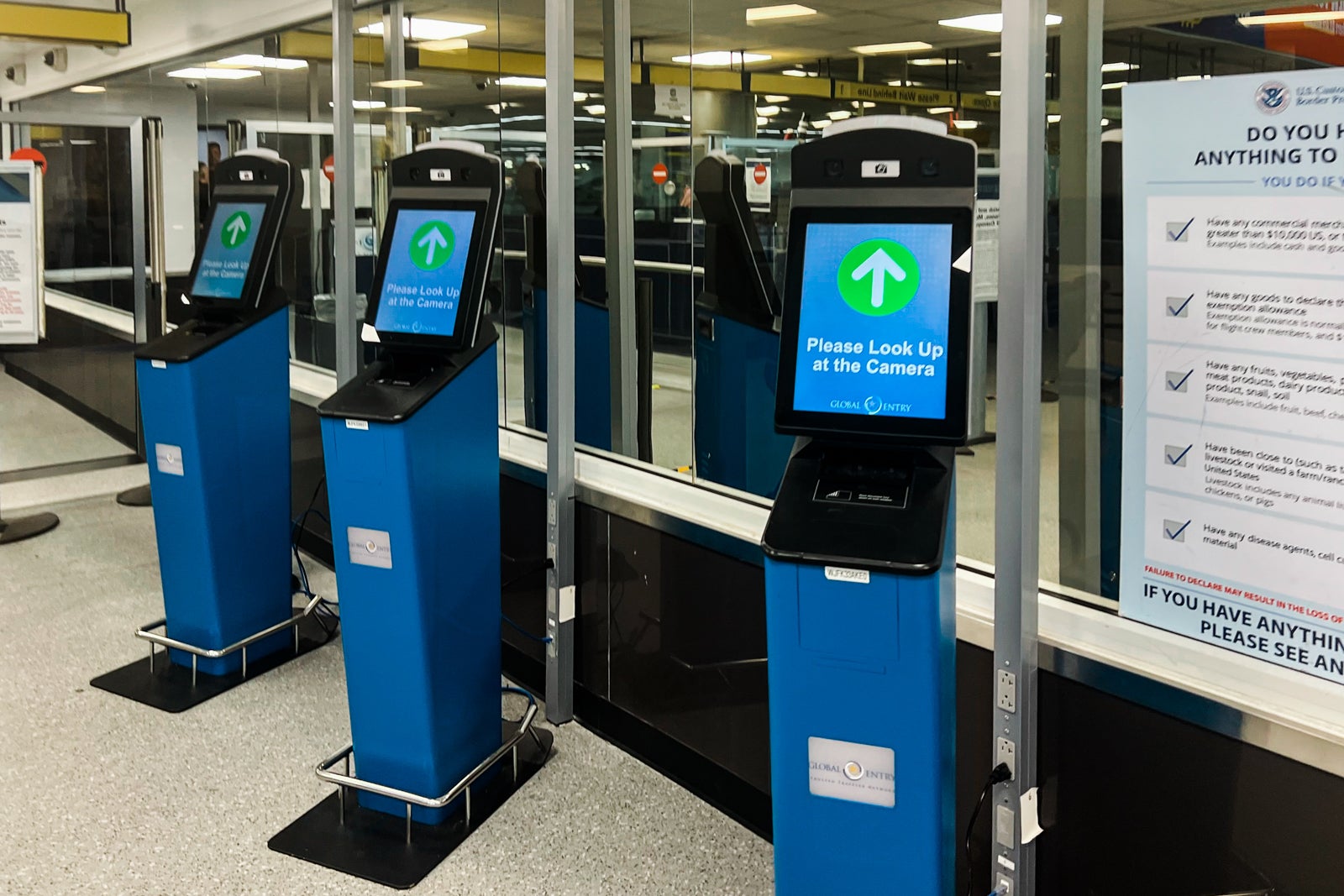
If there’s one facet of journey that is nonetheless caught within the 2000s, it is border management and immigration. Although applications like Global Entry have invested closely in smoothing the arrivals course of for members, the whole expertise of coming into (or returning to) a rustic could be time-consuming and expensive.
Associated: 15 places you need a visa or ETA to travel to with an American passport
Sure, there’ll in all probability nonetheless be stringent visa necessities and customs officers on the border — however the idea of needing bodily passports and visas to journey will seemingly be a factor of the previous by 2040. Digital id techniques will nearly actually be commonplace by then, permitting you to pack one much less factor when it is time to journey.
I might additionally think about that international journey might be simpler with the introduction of real-time translation software program constructed into AR and VR goggles and digital show boards all through your travels.
The rise of purposeful journey
Maybe the most important shift we’ll see is not technological; it’d simply be philosophical.
As journey turns into extra commoditized, we’re already beginning to see the rise of purposeful journey — journey is turning into much less concerning the trip and extra concerning the connection. As such, I might anticipate to see many extra journeys targeted on constructing neighborhood and visiting ecological websites.
That is very true as digital actuality tourism comes into play. We have already began to get an early glimpse of what which may appear like by way of VR goggles from corporations like Apple and Meta. Should you put these goggles on, you may already immerse your self in locations just like the Sagrada Familia and Huge Ben with out ready in line.
These instruments will imply that when it is time to hit the street, individuals will seemingly attempt to discover off-the-beaten-path websites greater than the tremendous widespread ones right now.
One other use case for these VR goggles is the flexibility to do a “try-before-you-travel” expertise. This permits vacationers to get a glimpse of what they are going to see on the bottom, and helps them customise their excursions and itineraries to satisfy their wants properly earlier than they even take off.
Backside line
Whereas the subsequent 15 years will seemingly carry even greater technological leaps than the previous 15 years, the core values of journey will seemingly stay the identical. Folks will nonetheless search journey, connection and discovery.
It is simply the way in which they go about getting these experiences will change — airports might be revolutionized, the planes you fly to your vacation spot could look completely different, your lodge room would possibly acknowledge you. The checklist simply retains happening.
One factor is for sure, although: as journey developments emerge, you may rely on TPG to carry you the most recent updates as they occur.
Associated studying: